
Summer
Beat the Texas Heat
Cooling accounts for the biggest share of a Texas summer electricity bill. A few targeted habits can cut that cost significantly.
Get Your Thermostat Settings Right
Your thermostat is the single biggest lever you have on a Texas summer bill. Set it to 78 degrees F when you are home, and let it drift up to 85 degrees F when you leave. A programmable or smart thermostat can handle that swing on its own, so your AC is not working hard for an empty house.
The math behind that number is simple. Every degree you set below 78 adds roughly 3% to your cooling costs, so dropping from 72 down to 78 can save close to 18% on your AC bill for the season. For more ways to trim usage during the hottest months, see our summer electricity tips for Texas.
Fans Cool People, Not Rooms
Ceiling fans and box fans feel great, but they only cool skin through moving air. They do nothing for the temperature of a room itself. Leaving one running in an empty space just spins electricity into nothing, so get in the habit of switching it off on your way out.
Fans also have a ceiling of their own. Once indoor temperatures push past 90 degrees F, a fan just circulates hot air around and stops making a real difference. At that point your AC is doing all the work, so lean on the thermostat settings above rather than trying to fan your way out of the heat.
Manage Your Windows and Light
Direct sun through an uncovered window can raise a room's temperature by 10 to 15 degrees, which is a lot of extra work for your AC to undo. Blackout or thermal curtains on south and west facing windows block up to 99% of that incoming heat, and they are one of the cheapest upgrades on this whole list.
If curtains are not an option everywhere, even standard blinds closed during peak sun hours, roughly 10am to 4pm, cut solar heat gain by about 45%. South and west facing rooms take the brunt of the afternoon sun, so start there.
Time Your Appliances and Maintain Your Filter
Dryers, ovens, and dishwashers throw off heat that makes your AC work harder, so push them to after 9pm when you can. That reduces the heat load in your house, and if you are on a plan with off-peak pricing, it can catch you a cheaper rate too. It is worth checking whether a free nights plan actually fits how you use electricity before you switch.
A dirty air filter forces your system to work 5 to 15% harder than it should. Check it monthly during Texas summers and swap it out every 60 to 90 days. It is one of the simplest habits here, and it pairs well with the rest of our guide to lowering your electricity bill in Texas.
Products That Help: Smart Climate & HVAC
Scheduling, occupancy sensing, and peak-hour demand reduction during high-rate summer periods.
As an Amazon Associate, GridWise earns from qualifying purchases.
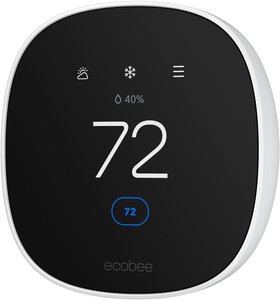
Smart Thermostat
Auto-schedules setbacks and learns your routine. Models like ecobee and Nest pay for themselves in one summer.

Smart Thermostat (Premium)
Google Nest Learning Thermostat with temperature sensor. Learns your schedule, optimizes for savings, and adjusts room by room.
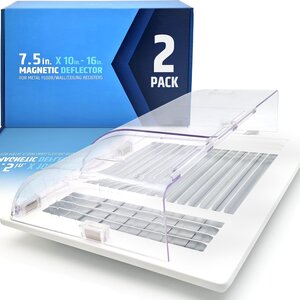
Vent Deflectors
Redirect airflow away from walls and furniture so cooled air reaches the room, not the curtains.

Blackout Curtains
Portable, hook-and-loop blackout panels. Block up to 99% of incoming solar heat on south and west windows.
Winter
Stay Warm for Less
Texas winters are short but the cold snaps can produce real bill spikes. Small upgrades make a measurable difference.
Reverse Your Ceiling Fans
Most ceiling fans have a small switch that reverses the blade direction. Flip it so the fan runs clockwise at low speed, and it will push the warm air that naturally rises to your ceiling back down into the room. It costs nothing and takes about ten seconds per fan.
Seal the Drafts That Are Costing You
Cold air sneaking in around doors and windows is one of the most common reasons winter bills spike. Weatherstripping and a door sweep cost only a few dollars and can cut heating costs by 10 to 15%. To find the leaks first, hold a lit candle near window and door edges. If the flame flickers, air is getting through.
Sealing is cheap, fast, and pairs naturally with everything else in our guide to lowering your electricity bill in Texas, since a well sealed house needs less heating and cooling all year long.
Lower Your Water Heater and Use the Sun
Most water heaters ship set to 140 degrees F, which is hotter than most households need and a real scald risk. Turning it down to 120 degrees F saves 6 to 10% on water heating costs without any noticeable difference in your shower.
On sunny winter days, open the blinds on south facing windows and let the sun do free heating work for you. Close them again at sunset to trap that warmth inside before it escapes overnight.
Space Heaters and Vents
A space heater in the room you are actually using, paired with a lower thermostat setting for the rest of the house, can save money, but only if you close off the unused rooms so the heat stays where you need it. Never leave a space heater running unattended.
Also check that furniture, curtains, and rugs are not blocking your vents. Every vent needs at least 12 inches of clearance, otherwise your HVAC system has to work harder to push air through fewer openings. Delivery charges on your bill do not change based on how efficiently your system runs, they are set by your TDU delivery fees, so the savings from an efficient setup show up entirely in the usage portion of your bill.
Products That Help: Weatherization & Sealing
Low-cost, high-ROI DIY upgrades that immediately cut HVAC load and thermal leakage.
As an Amazon Associate, GridWise earns from qualifying purchases.
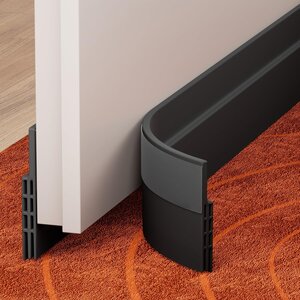
Door Draft Stoppers
Under $10 and installs in seconds. Blocks cold air from the biggest gap in most homes.
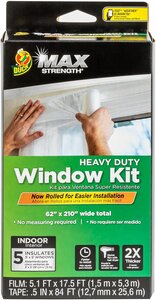
Window Insulation Kits
Shrink-fit plastic film adds a dead air buffer that reduces heat loss through single-pane windows.
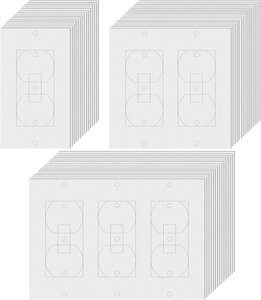
Outlet Sealers
Foam gaskets behind outlet and switch plates stop cold drafts that leak through exterior walls.

Weatherstripping
Replace worn strips around doors and windows. A $5 roll can cut drafts by 10-15%.
Every Season
Year-Round Habits
These are the small, consistent habits that quietly add up across every bill, every month.
Hunt Down Phantom Loads
Game consoles, phone chargers, and TVs left on standby quietly draw power around the clock, adding up to roughly $100 per year for the average home. A smart power strip can cut the circuit automatically once it detects a device is off, so you stop paying for electricity you are not actually using. Our guide to reading your Texas electricity bill walks through where these hidden costs actually show up.
Upgrade Your Lighting
Swapping incandescent bulbs for LEDs is one of the easiest wins available. LEDs use about 75% less energy and last 25 times longer, and replacing just your most used fixtures can save around $75 a year.
Rethink Laundry
About 90% of the energy your washing machine uses goes toward heating water, not actually cleaning your clothes. Switching to cold water for most loads cleans just as well and can save $50 to $100 a year.
It also pays to wait until you have a full load. A half load in the washer or dishwasher uses nearly the same amount of energy as a full one, so running fewer, fuller loads gets you more laundry and more dishes per kilowatt hour.
Air Dry and Track What You Cannot See
Your dryer is one of the hungriest appliances in the house, so air drying even a couple of loads a week adds up over a year. A clogged dryer vent is both a fire hazard and an efficiency drain, and cleaning it once a year can improve performance by up to 25%. For a deeper cost breakdown of everything running in your home, see where the rest of your utility dollars go.
If your home has a smart meter, you already have access to detailed usage data that can show you exactly when and where your electricity goes. Learn how smart meters work in Texas and how to download your own smart meter data to start spotting patterns worth fixing.
Products That Help: Energy Monitoring
Real-time wattage tracking, phantom-load identification, and appliance-level breakdowns.
As an Amazon Associate, GridWise earns from qualifying purchases.
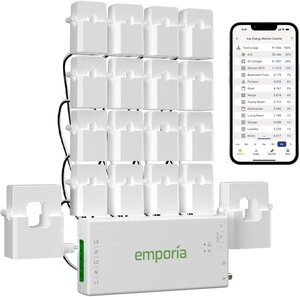
Whole-Home Energy Monitor
Emporia Vue or Sense clamp onto your breaker panel and show every appliance in real time.
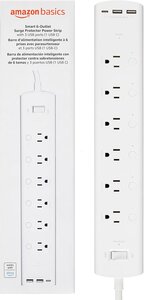
Smart Plug Power Strip
Amazon Basics 6-outlet smart strip with individually controlled outlets. Auto-cut standby power to entertainment centers and home offices.
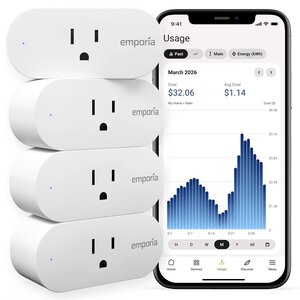
Smart Energy Plug
Emporia energy monitoring smart plug. Track individual appliance usage in real time and identify hidden energy hogs.
Solar Homeowners
Solar Homeowner Tips
If you already have panels on your roof, timing your usage around production is where the real savings live.
Run Heavy Loads During Peak Sun
Your panels produce the most power between 10am and 3pm. Running your dishwasher, laundry, and pool pump during that window means you are using your own free electricity instead of exporting it at a low buyback rate and then buying it back later at the retail price. Our breakdown of how solar buyback plans work in Texas explains why that timing matters so much.
Time Your Battery Discharge
If your plan has peak pricing or time of use rates, set your battery to discharge during the evening peak window, typically 4pm to 9pm, when grid rates are at their highest. That is also right around when solar production drops off, so it is the moment your battery earns its keep. See why a battery matters and not just the panels for more on how the two work together.
Keep an Eye on Your Export Rate
Buyback rates are not fixed forever. What was a competitive sell rate last year may not be competitive today, so it is worth reviewing your plan at least once a year rather than assuming it is still your best option. Our guide to comparing solar buyback plans in Texas makes that review a lot faster.
Orientation and Whether a Swap Makes Sense
South facing panels maximize total production over the day, while west facing panels shift more of that output into the expensive afternoon peak hours. Which one is better for you depends entirely on your rate plan and when you actually use power.
If you are on an older solar plan and rates have shifted since you signed up, it might be worth running the numbers on a solar bill swap to see if a newer plan structure would put more money back in your pocket.
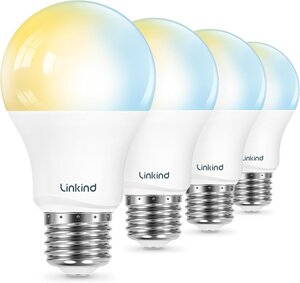
Products That Help: Smart Lighting & Power
Auto-shutoff for entertainment centers, scheduled outdoor lighting, and motion-sensor automation.
As an Amazon Associate, GridWise earns from qualifying purchases.

If you are still shopping for an installer or considering adding a battery, our Texas solar installer directory compares top-rated companies across all four regions with Google reviews and BBB ratings.
Your Contract
Know Your Plan
The best energy habits in the world will not save you money if you are on the wrong plan.
Look at the All-In Rate, Not the Headline Number
The rate advertised on a plan almost never includes everything you will actually pay. TDU delivery charges, base fees, and taxes can push your real cost per kWh 30 to 50% higher than the number in the ad. Before you sign anything, learn how to read a Texas Electricity Facts Label so you can see the true cost up front.
Free Nights Plans Are Not Actually Free
Free nights sound great, but delivery charges from your TDU still apply around the clock, and the daytime rate on these plans is typically higher to make up for the free hours. They can work well if a large share of your usage happens overnight, but they are not automatically the best deal for everyone. Our full look at whether free nights plans are worth it breaks down when they make sense.
Watch for Auto-Renewal and Know When to Fix vs Float
Many plans quietly roll onto a much higher month to month rate the moment your contract ends. Set a reminder 30 to 60 days before your end date so you have time to shop around instead of getting stuck. Find out exactly what happens when your contract expires so nothing catches you off guard.
When you do shop, deciding between a fixed and variable rate plan is one of the most important calls you will make, since it determines how exposed you are to price swings for the length of your contract.
Tiered Pricing and Cancellation Fee Math
Some plans get cheaper once you cross a usage threshold, offering bill credits at 1,000 kWh or more. Others get more expensive the more you use. Either way, the structure only helps you if it matches how much electricity your household actually uses each month, and our explanation of tiered pricing covers the traps non-solar households run into most.
And if you are stuck on a bad rate, do the actual math before assuming you are trapped. A $150 cancellation fee spread over 12 months is only $12.50 a month. If a new plan saves you $30 a month, you come out ahead starting in month one. Our guide to switching electricity providers in Texas walks through the process.
How Comparison Sites Fit In
Comparison sites can be a useful starting point, but it helps to understand how Texas electricity comparison sites actually work before trusting the top result, since many are paid placements rather than a true ranking of the best rate for your usage.
FAQ
Common Questions
Quick answers to the questions we hear most.
See How Much You Could Save
Upload a photo of your bill and get personalized results in minutes.
Trim My Bill