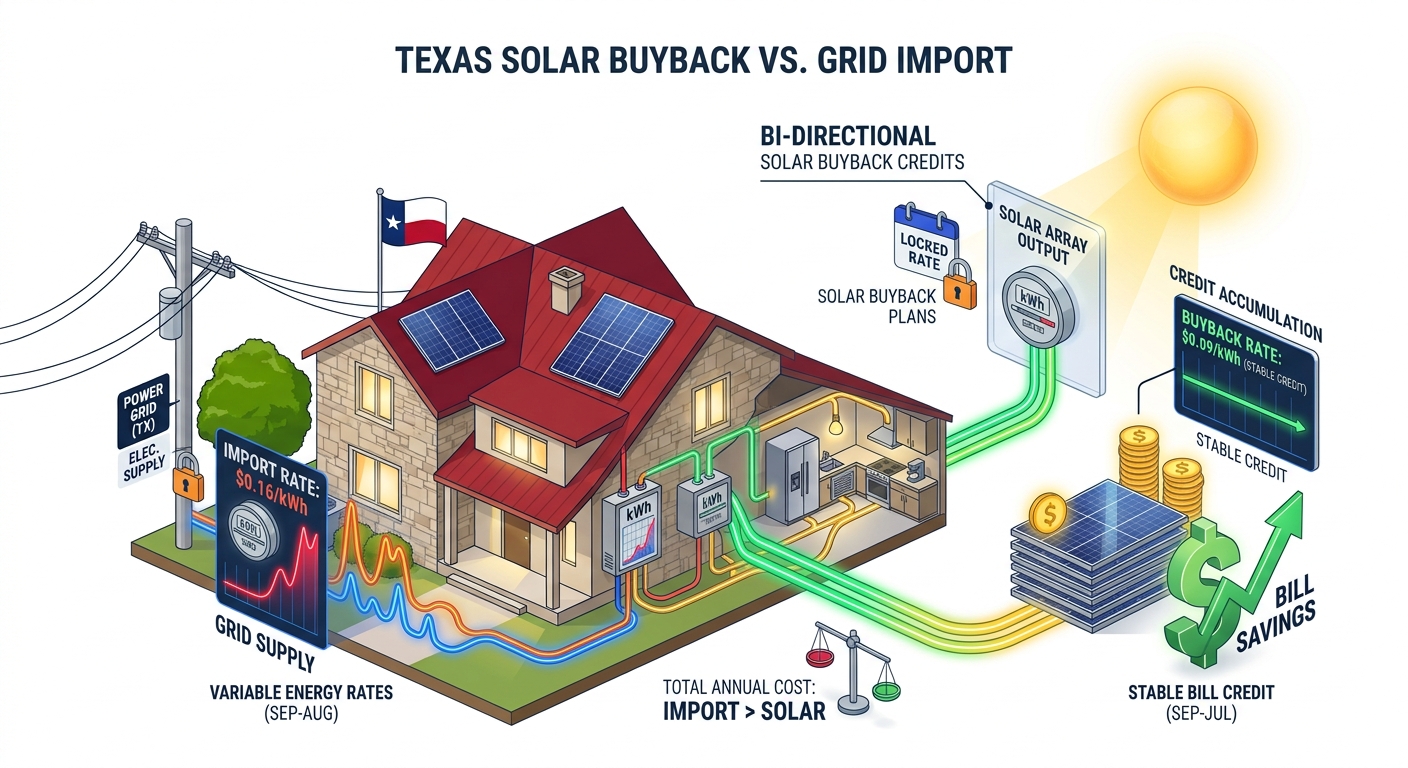
The Noise Behind the Numbers: How Texas Electricity Comparison Sites Really Work
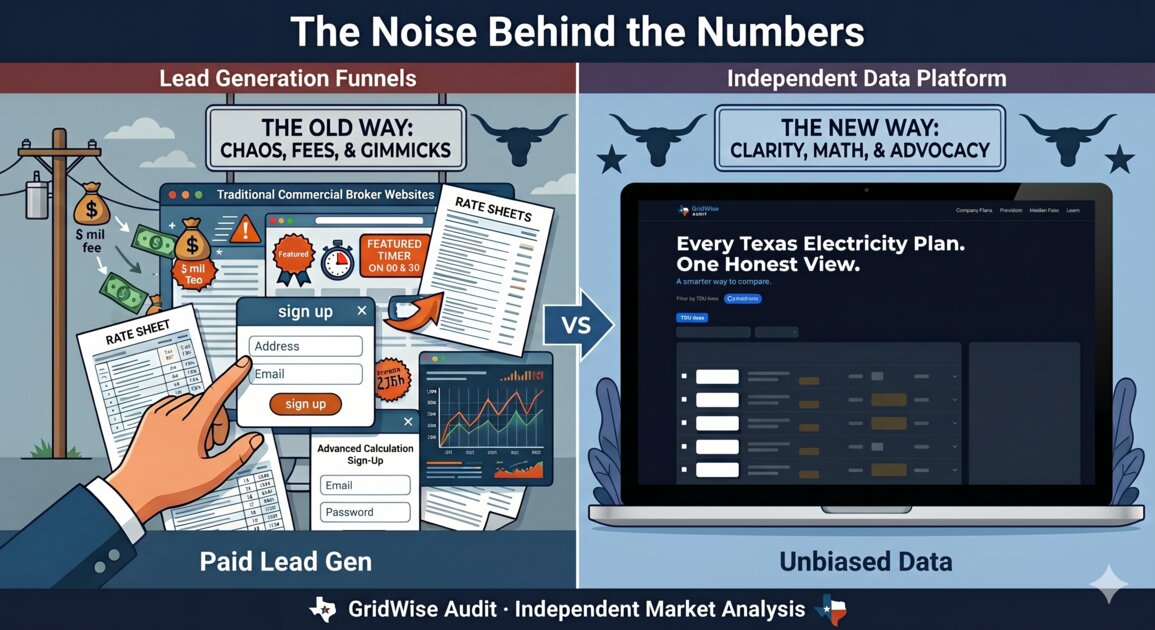
Many commercial Texas electricity comparison sites earn REP enrollment commissions that can be embedded in rates, while proprietary sorting, lead capture, and complex interfaces can make independent plan evaluation harder. The article argues for separating open plan discovery from usage analysis funded by a transparent consumer fee so rankings are based on actual savings instead of provider incentives.
Shopping for a deregulated electricity plan in Texas has become an exercise in frustration. What should be a straightforward, mathematical comparison of rates is instead a gauntlet of forced data collection, aggressive sign-up funnels, and intentional visual confusion. To understand why this environment exists, consumers must understand the underlying business mechanics driving traditional platforms—and how a decoupled ecosystem can restore transparency.
1. The Monetization Mirage: Who Pays for "Free"?
When browsing mainstream comparison sites, a striking detail emerges: there are virtually no standard banner or display advertisements. This clean aesthetic is not an act of benevolence; it is a calculated structural necessity designed to hide the platform's primary source of revenue.
Most commercial platforms operate as licensed energy brokers under Public Utility Commission of Texas (PUCT) frameworks. Instead of charging the end consumer, they are compensated via a transactional sales commission paid directly by the Retail Electric Provider (REP) upon successful enrollment. This commission is built seamlessly into the plan's underlying rate sheet as a "mil fee," which typically scales from $0.003 to $0.010 per kWh.
For a standard Texas household consuming 2,000 kWh per month, this invisible markup can quietly siphon between $72 and $240 annually from the consumer directly into the broker's pocket. Because default sorting mechanisms ("Featured," "Best Match," or "Recommended") are completely proprietary, platforms face an inherent conflict of interest: they are structurally incentivized to steer traffic toward high-margin affiliate contracts rather than true mathematical savings.
2. Engineered Friction: The Weaponization of User Data
Traditional comparison engines almost universally deploy an aggressive lead-capture wall, refusing to reveal plan details until a user surrenders an exact street address, email, and phone number. This forced onboarding satisfies two distinct revenue plays:
Data Aggregation: While PUCT regulations technically restrict brokers from selling proprietary consumer energy data outright without consent, standard legal "Terms of Service" frameworks frequently bypass this. By accepting the fine print, users often cross-authorize marketing access for "affiliated business networks," exposing themselves to automated solicitations for third-party solar installations, home warranty policies, and smart security contracts. Ecosystem Lock-In: To deliver "advanced bill calculations," platforms demand direct access to automated intervals. By capturing an address and an account sign-up, platforms gain the necessary leverage to execute electronic Letters of Authorization (LOA), extracting 12-month interval profiles from Smart Meter Texas (SMT). Once your usage history is wired into their proprietary infrastructure, leaving their funnel becomes highly inconvenient.3. The Chaos Principle: Why Bad UX Is Good Business
The visual architecture of mainstream comparison engines is intentionally chaotic. They feature competing flash tags, ambiguous "Average Rate" banners, overlapping countdown clocks, and cascading filters. In user experience design, this layout leverages cognitive overload.
By maximizing visual noise, platforms prevent consumers from independently cross-referencing an Electricity Facts Label (EFL). When a user faces a highly complex rate tier—such as a plan that charges a standard rate but triggers a sudden $100 bill credit strictly between 999 kWh and 1,001 kWh—chaos wins. Overwhelmed by the math, the user abandons analytical scrutiny and clicks the largest, brightest "Enroll Now" button available, securing the broker's payout.
4. A Structural Solution: The Decoupled Ecosystem
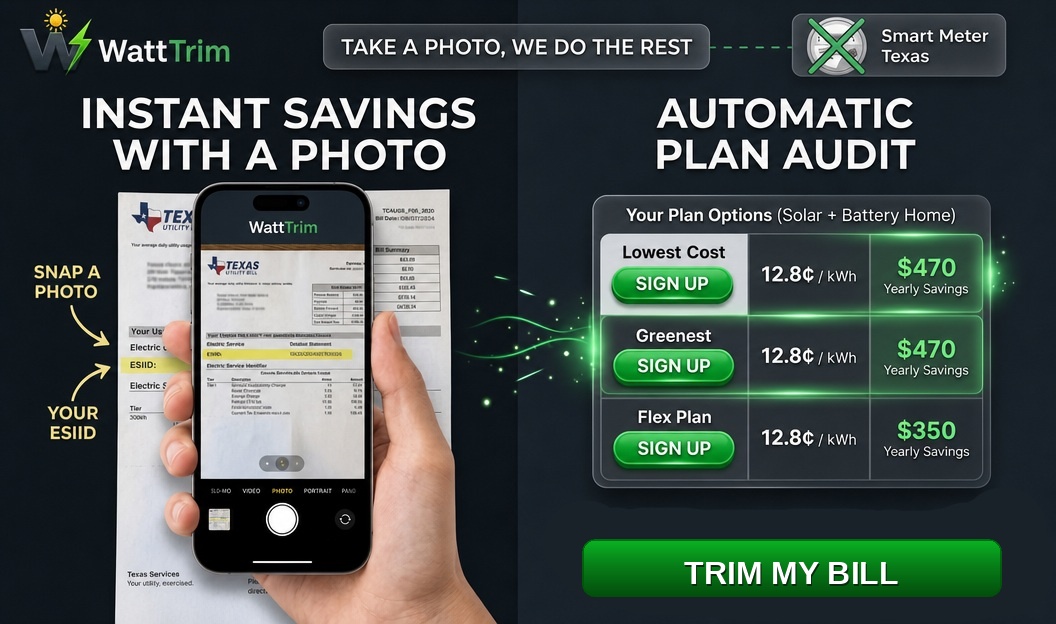
Restoring consumer trust requires fundamentally changing how the platform makes money. By separating exploratory browsing from heavy analytical computation, a dual-entity ecosystem cleanly solves the conflict of interest:
Strategic Layer 1: Discovery Layer (GridWiseAudit.com)- Monetization Strategy: Standard Google Ads (No REP Commissions)
- Core User Benefit: Zero-friction, open-access browsing. Users view market trends and raw rates without surrendering personal data or experiencing algorithmic manipulation.
- Monetization Strategy: Flat Premium Consumer Service Fee
- Core User Benefit: Deep data analysis powered exclusively by the consumer. Complete alignment of interests—the system is incentivized solely to eliminate hidden fees and uncover true net savings.
The Takeaway
When an energy platform is funded directly by standard advertising or transparent consumer fees rather than hidden retail provider commissions, the algorithm changes. The platform stops trying to sell you to an energy company and begins acting as a genuine advocate for the consumer.
The next time you visit a Texas electricity comparison site, evaluate the engine behind the interface:
- Does it show you plans before demanding your identity?
- Does it make money from REP commissions on your enrollment?
- Does it show "Featured" or "Recommended" plans with no transparent criteria?
- Does it force you to create an account before viewing an EFL?
Methodology and Disclosure
This report is published by GridWise Audit, an independent energy data platform. GridWise Audit is monetized exclusively through standard display advertising (Google AdSense). It does not accept, negotiate, or receive any form of commission, referral fee, or affiliate payout from any Retail Electric Provider (REP) listed or referenced on the platform. WattTrim, the analytical engine referenced in this report, is monetized exclusively through flat consumer service fees. Neither entity maintains any financial relationship with any REP.
Put This Knowledge to Work
Compare your current plan against 1,500+ options across all 6 Texas TDU service areas, including exclusive broker-negotiated rates not found on PowerToChoose.org. Always free.
Trim My Bill