GridWise Audit Guide
Texas Winter Preparedness Guide
Whether it is a brief cold snap or a multi-day grid emergency, the right supplies turn a crisis into an inconvenience. This guide covers backup power, freeze protection, vehicle readiness, and everything Texas homeowners need before the next winter storm.
Back to main guideBackup Power
Backup batteries and portable power stations can keep heated blankets, USB devices, small cooking appliances, and communication equipment running. Most portable stations cannot run a full 1,500W space heater continuously, but they can power 50-100W heated blankets for hours. This is especially critical in the Lubbock and LP&L region, which sits on a more isolated section of the Texas grid.
What Can a Portable Power Station Actually Run?
Understanding wattage is the key to making a power station useful instead of disappointing. A 1,000Wh station does not mean 1,000 hours of power. It means 1,000 watt-hours total, so a 50W heated blanket runs for roughly 20 hours, while a 1,500W space heater drains the entire battery in about 40 minutes.
Estimated run times on a 1,000Wh station
- Heated blanket (50W): approximately 20 hours
- Phone charger (20W): approximately 50 full charges
- LED lamp (10W): approximately 100 hours
- CPAP machine (30-60W): approximately 16-33 hours
- Small space heater on low (750W): approximately 1.3 hours
- Full-size space heater (1,500W): approximately 40 minutes
- Mini fridge (50-100W): approximately 10-20 hours
The takeaway: portable stations are excellent for low-draw essentials like heated blankets, medical devices, phones, and lights. They are not a substitute for a whole-house generator if you need to run high-draw appliances.
Prioritize What You Power
When battery capacity is limited, triage matters. Prioritize medical devices first, then communication (phone and weather radio), then warmth (heated blanket over space heater), and finally food preservation. Charge phones and power banks fully before a storm arrives. If you have a portable station, charge it to 100% and avoid using it until the power actually goes out.
Generator Safety
If you use a fuel-powered generator, it must run outdoors at least 20 feet from any window, door, or vent. Carbon monoxide from generators killed more Texans during Winter Storm Uri than hypothermia. Never run a generator in a garage, even with the door open. Pair any fuel-burning backup with a working CO detector inside your home.
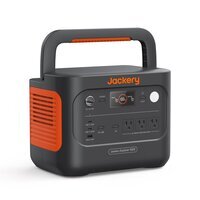
Jackery Explorer 1000 v2
~$550. LiFePO4 portable power station with 1,070Wh capacity and 1,500W output. Enough for heated blankets, devices, and LED lighting for days.
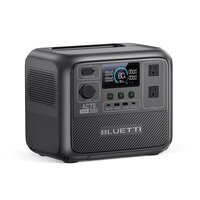
BLUETTI AC70
~$450. 768Wh LiFePO4 station with 2,000W power-lifting mode and UPS capability for critical devices.
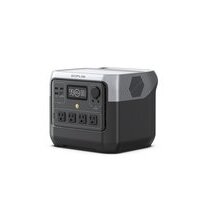
EcoFlow RIVER 2 Pro
~$400. 768Wh fast-charging station with X-Boost mode and four AC outlets.
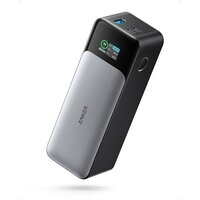
Anker 737 Power Bank (24,000mAh)
~$110. High-capacity USB-C power bank for phones, tablets, and small devices when a full station is overkill.
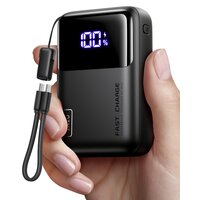
INIU 25,000mAh Power Bank
~$50. Budget-friendly large-capacity bank with fast USB-C charging.
As an Amazon Associate, GridWise earns from qualifying purchases.
Heating and Thermal Gear
When the power goes out, body heat retention becomes the priority. Use a layering strategy with a thermal base layer, fleece or wool mid-layer, and a sleeping bag rated well below expected temperatures. Heated blankets paired with a portable power station provide active warmth without grid power.
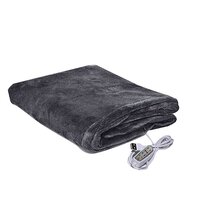
Comfier USB Heated Blanket
~$45. USB-powered heated throw that works with power banks and portable stations. Multiple heat settings.
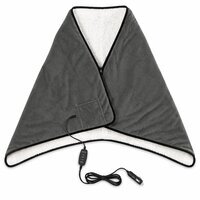
SJC 12V Heated Car Blanket
~$35. Runs from a power station 12V port or vehicle outlet. Good for home outages and vehicle emergencies.
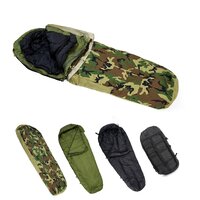
TETON Sports Deer Hunter -35F Sleeping Bag
~$120. Heavy-duty cold-weather bag rated to -35F with draft tubes and an insulated hood.
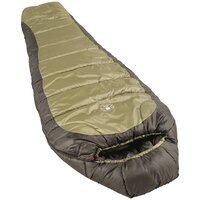
Coleman Brazos 0F Sleeping Bag
~$55. Budget-friendly synthetic bag with a Thermolock draft tube for moderate freeze events.
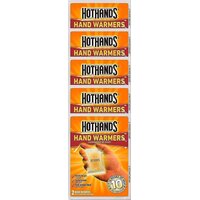
HotHands Hand and Toe Warmers
~$25-30. Air-activated warmers lasting up to 10 hours. Hand warmers fit in glove boxes, emergency kits, and coat pockets. Toe warmers are adhesive-backed for boots and shoes during extended cold exposure.
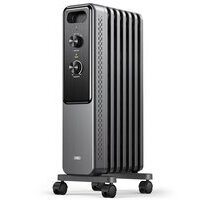
Dreo Radiator Heater
~$100. Electric oil-filled radiator with thermostat and overheat protection. Safe for overnight use without open elements.
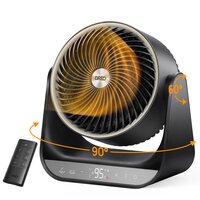
DREO 360 Omni-Directional Heater
~$80. Whole-room ceramic heater with 360-degree heat distribution at just 25dB. Safe indoor use with tip-over protection.
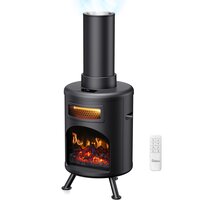
Dr Infrared Heater DR-991
~$130. 1,500W infrared space heater with dual heating system and built-in humidifier. Heats large rooms efficiently.
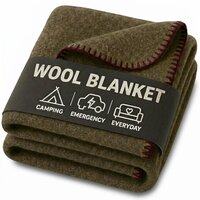
Wool Camping Blanket
~$40. Heavy-duty fire-retardant wool blanket for emergency warmth without electricity. Doubles as a vehicle emergency blanket.
As an Amazon Associate, GridWise earns from qualifying purchases.
Communication and Light
During winter storms, cell towers can go down and internet outages are common. A hand-crank NOAA weather radio provides storm updates and evacuation notices without external power. Pair it with reliable LED lighting that lasts days on a set of batteries.
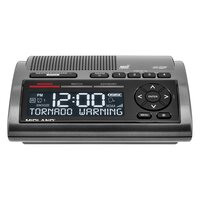
Midland WR400 Weather Radio
~$40. NOAA emergency alert scanner with battery backup, 80+ voice and flashing alerts, alarm clock, and AM/FM radio.
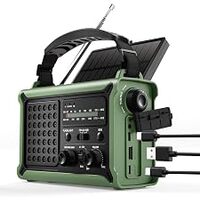
NOAA Emergency Portable Radio (12,000mAh)
~$30. Hand crank and solar powered NOAA weather radio with 12,000mAh battery bank for phone charging.
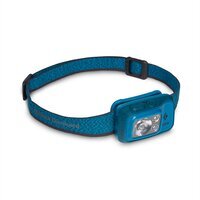
Black Diamond Spot 400 Headlamp
~$50. 400-lumen headlamp with dimming, red night vision, and waterproof construction.
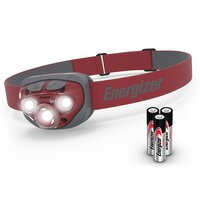
Energizer LED Headlamp Pro260
~$20. Affordable headlamp using common AAA batteries with multiple light modes.
As an Amazon Associate, GridWise earns from qualifying purchases.
Water and Food
Plan for a minimum of 1 gallon of water per person per day for 3 to 7 days. Municipal water treatment plants can lose power during grid emergencies, and frozen pipes may leave your home without running water. Stock non-perishable food that requires no cooking or refrigeration.
Winter supply checklist
- Water, 1 gallon per person per day, with a 3-7 day supply.
- Peanut butter, canned meats, trail mix, energy bars, and dried fruit.
- Manual can opener (see below). Do not rely on an electric opener.
- Baby formula and pet food, if applicable.
- Cooler with ice packs to preserve refrigerated medications.
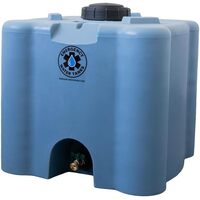
Emergency Water Storage Container
Stackable water storage for emergency supply. Store 1 gallon per person per day for 3-7 days.
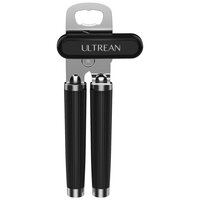
Heavy Duty Manual Can Opener
~$12. Stainless steel manual can opener with comfortable grip. Essential when electric openers lose power.
As an Amazon Associate, GridWise earns from qualifying purchases.
Home Freeze Protection
The 2021 Uri freeze caused an estimated $20 billion in Texas property damage, much from burst pipes. Insulating exposed plumbing, protecting outdoor faucets, and installing CO detectors are low-cost defenses with high payoff. In the LP&L and Lubbock area, wind chill in the Panhandle can be 20-30F colder than temperatures in Dallas or Houston.
Step-by-Step Pipe Winterization
Most Texas homes were not built for sustained freezes. Pipes in exterior walls, attics, crawl spaces, and garages are the most vulnerable. Before a freeze hits:
- Locate your main water shutoff valve. Know where it is before you need it. In most Texas homes it is near the water meter at the street or where the main line enters the house.
- Insulate exposed pipes. Foam sleeves cost a few dollars per 6-foot section and take minutes to install. Focus on pipes in the garage, attic, crawl space, and exterior walls.
- Cover outdoor faucets. Insulated faucet covers prevent the hose bib from freezing and cracking, which can damage the pipe inside your wall.
- Disconnect garden hoses. Water trapped in a connected hose can freeze back into the faucet and split the pipe.
- Drip interior faucets. During a hard freeze, let both hot and cold water drip at faucets served by exposed pipes. Moving water resists freezing.
- Open cabinet doors. Under kitchen and bathroom sinks on exterior walls, open the cabinet doors to let warm room air circulate around the pipes.
- Use heat tape on critical runs. Self-regulating heat cable wraps around the pipe and provides just enough warmth to prevent freezing. It must be plugged into a GFCI outlet.
If Your Pipes Burst
If you hear rushing water or notice a sudden pressure drop, shut off the main water valve immediately. Open all faucets to drain remaining water and relieve pressure. Turn off the water heater to prevent damage. Call a licensed plumber, but be aware that during a regional freeze, wait times can stretch to days. Document the damage with photos for your insurance claim before making temporary repairs.
Window and Draft Protection
Texas homes lose a significant amount of heat through single-pane windows and poorly sealed doors. Window insulation film kits create a dead-air buffer that reduces heat loss. For doors, a rolled towel or draft stopper along the bottom gap can make a noticeable difference. These are especially effective in older homes common throughout the Dallas-Fort Worth, Houston, and Lubbock areas.
Carbon Monoxide: The Invisible Danger
During Uri, carbon monoxide poisoning sent over 1,400 Texans to the emergency room. Sources include gas stoves used for heating, charcoal grills brought indoors, idling cars in closed garages, and portable generators. Install a battery-operated CO detector on every floor of your home, especially near sleeping areas. If the alarm sounds, get everyone outside immediately and call 911. CO is odorless and colorless. You cannot detect it without a working alarm.

Frost King Tubular Foam Pipe Insulation
~$15. Pre-slit polyethylene sleeves for standard residential water pipes.
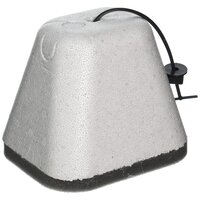
Frost King FC1 Outdoor Faucet Cover
~$10. Insulated hard-shell cover for exterior hose bibs.
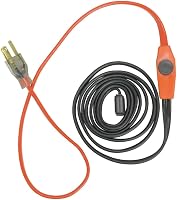
EasyHeat AHB Pipe Heating Cable
~$50. Self-regulating heat cable for exposed water lines. It must be on a GFCI outlet.
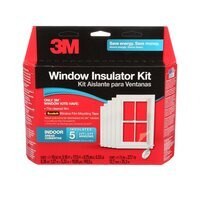
3M Indoor Window Insulator Kit
~$15. Shrink-fit plastic film creates a dead-air buffer that reduces heat loss through windows.
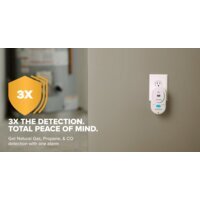
Kidde Battery-Operated CO Detector
~$25. Critical safety device if using any fuel-burning heater, fireplace, or generator indoors. Install near sleeping areas.
As an Amazon Associate, GridWise earns from qualifying purchases.
Special Note for Lubbock and West Texas
LP&L, Lubbock Power and Light, operates as a municipal utility with unique grid characteristics. The Panhandle regularly sees wind chills well below zero, and the region distance from major population centers can delay supply deliveries during severe storms. West Texas homeowners should prepare earlier and stock deeper than the minimums listed in this guide.
Vehicle Winter Safety
Texas drivers rarely encounter icy roads, which makes winter driving more dangerous here than in states with regular snow. Black ice on bridges and overpasses is the leading cause of winter accidents. A properly equipped vehicle emergency kit can mean the difference between a minor delay and a dangerous situation.
Battery Protection
Cold weather is the number one killer of car batteries. A battery loses about 35% of its cranking power at 32F and 60% at 0F. Texas drivers rarely think about battery protection, but a single hard freeze can strand you.
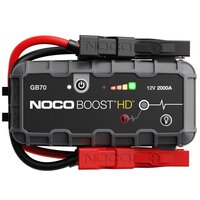
NOCO Boost GB70 Jump Starter
~$120. Lithium jump starter for gas and diesel engines with USB charging and emergency light.
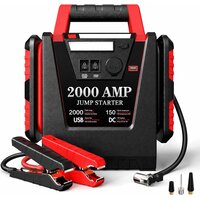
DEWALT DXAEPS14 Jump Starter with Compressor
~$150. Jump pack with built-in air compressor, USB ports, and work light.
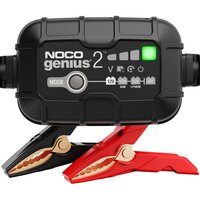
NOCO GENIUS2 Battery Maintainer
~$50. Smart 2-amp charger and maintainer with temperature compensation for cold weather.
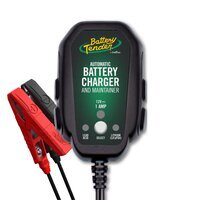
Battery Tender Junior 1.25A
~$35. Automatic four-step charger and maintainer. Keep a vehicle battery ready during extended cold.
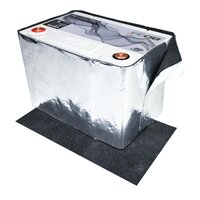
DEI 010480 Battery Heat Pad
~$45. Adhesive heating pad that keeps battery temperature up for reliable cold starts.
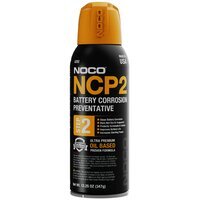
NOCO NCP2 Terminal Protectors
~$10. Felt washers with corrosion inhibitor for battery posts.
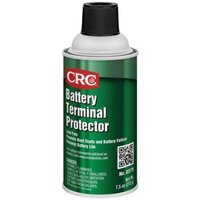
CRC Battery Terminal Protector Spray
~$10. Protective coating that seals terminals against moisture and corrosion.

SubZero 60-Inch Snow Broom/Scraper
~$25. Long-reach combination snow brush and ice scraper.
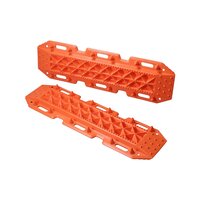
MAXSA Escaper Buddy Traction Mats
~$70. Portable traction boards for ice, snow, and mud.
As an Amazon Associate, GridWise earns from qualifying purchases.
Medical Preparedness
Winter storms can delay emergency services for hours or days. Keep a well-stocked first aid kit and maintain a 7-14 day supply of essential daily prescription medications. Store medications where they will not freeze, as some medications lose effectiveness when frozen.
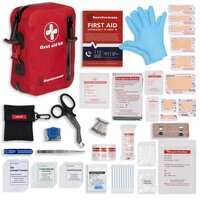
Surviveware Comprehensive First Aid Kit
~$80. Labeled modules with CPR supplies, wound care, and emergency tools for home and vehicle.
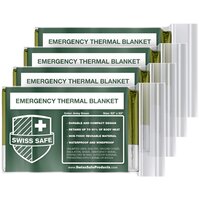
Swiss Safe Emergency Mylar Blankets 10-Pack
~$15. Compact reflective blankets for retaining body heat in emergencies.
As an Amazon Associate, GridWise earns from qualifying purchases.
Common questions
Winter preparedness FAQ
Practical answers for preparing your home, vehicle, and family before a Texas freeze.
Is Your Electricity Plan Ready for Winter?
Physical preparedness is only half the equation. Your electricity plan determines what you pay when the grid is under stress, and the wrong plan type can turn a winter storm into a financial disaster on top of a physical one.
What Happened During Uri
During Winter Storm Uri in February 2021, wholesale electricity prices on the ERCOT grid hit the $9,000/MWh price cap for multiple consecutive days. Customers on variable-rate and indexed plans saw bills of $5,000 to $17,000 for a single week. One widely reported case involved a customer receiving a $16,752 bill for five days of usage. Fixed-rate customers paid their normal monthly amount.
Fixed vs. Variable: Why It Matters Before Winter
A fixed-rate plan locks your per-kWh energy charge for the length of your contract, typically 12 to 36 months. Regardless of what happens on the wholesale market, your rate does not change. A variable or indexed plan passes wholesale price fluctuations through to you. In normal conditions the difference is small. During a grid emergency, the difference can be thousands of dollars.
If you are currently on a variable, month-to-month, or wholesale-indexed plan, consider switching to a fixed-rate plan before winter arrives. Locking in a rate during fall, when demand is lower, often gets you a better price than signing during a summer peak or mid-winter scramble.
Check Your Contract End Date
If your fixed-rate contract expires during winter months, your plan may automatically roll over to a variable rate. Many Texans do not realize their contract ended until they see an unusually high bill. Check your contract end date now. If it falls between November and March, renew or switch before it lapses.
WattTrim compares your actual Smart Meter usage against over 1,500 plans across all 6 Texas TDU service areas to find the rate that fits your home. Always free.
Trim My BillGridWise Audit earns revenue through optional subscription services and enrollment commissions when you choose to switch through our platform. Your analysis results are never influenced by provider compensation.
WattTrim LLC is a registered Texas Electricity Broker, PUCT License No. BR260145.