


Showing 1 - 10 of 79 plans

How Solar Buyback Works
When your solar panels produce more electricity than your home uses, the excess flows back to the grid. Your retail electricity provider credits you for that exported energy at a sell rate, sometimes called a buyback rate. Your buy rate is what you pay for electricity you consume from the grid. The difference between these two rates, combined with your base charges and TDU delivery fees, determines your true cost of electricity.
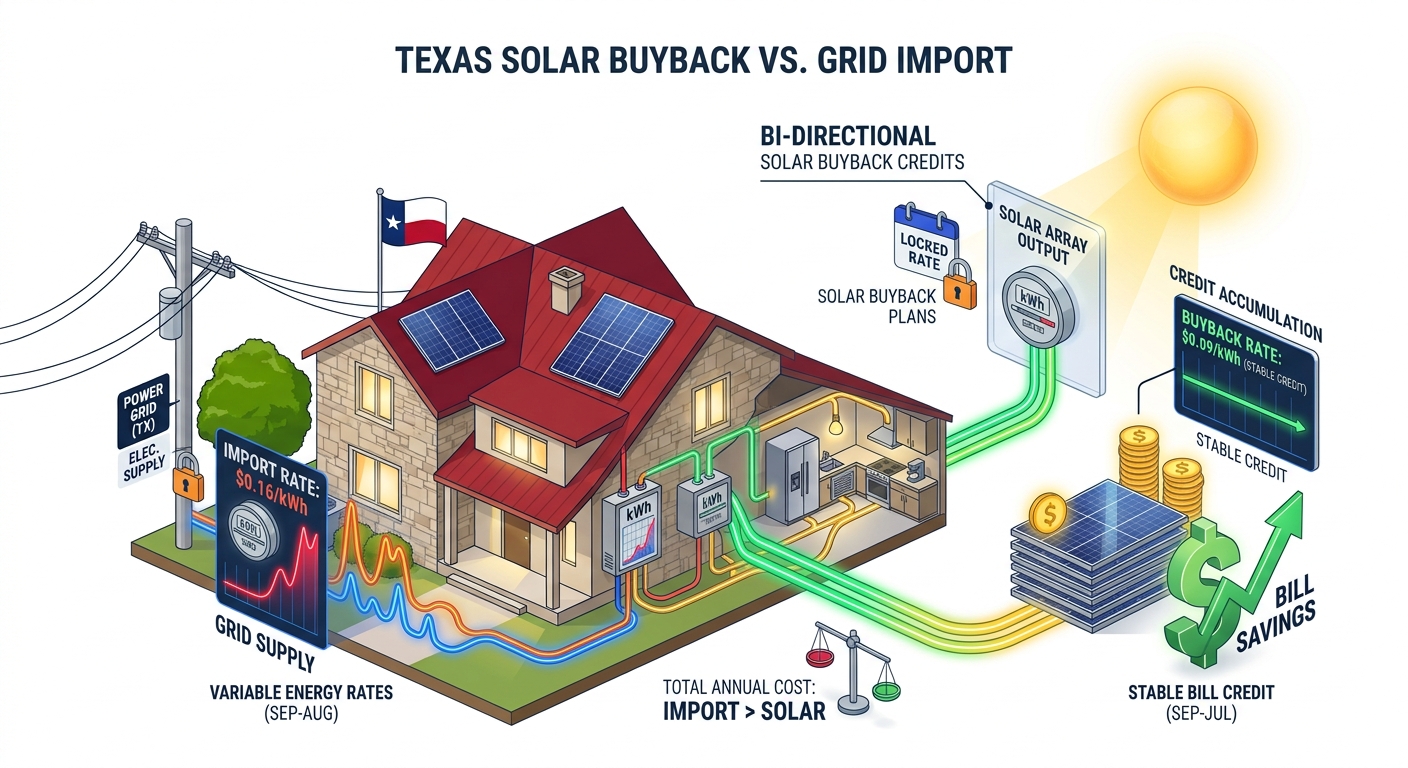
Plans come in two flavors: fixed sell rate plans lock in a guaranteed credit per kWh exported, while wholesale (market rate) plans credit you based on real-time ERCOT settlement prices, which fluctuate with supply and demand.

Fixed vs Wholesale Export Rates
Fixed sell rates typically range from 3 to 7 cents per kWh, giving you predictable monthly credits regardless of market conditions. Wholesale plans tie your export credits to ERCOT real-time settlement prices, which averaged around 2 to 3 cents per kWh during solar peak hours over the past 12 months.
For most residential solar customers, a fixed sell rate offers more consistent value. Wholesale rates can spike during extreme weather events, but day-to-day solar peak hours tend to see lower prices due to abundant solar generation across Texas.
Learn more in our full analysisHow GridWise displays wholesale rates: Unlike other comparison sites that show a static advertised rate, GridWise calculates the actual ERCOT settlement average for solar peak hours (10 AM - 6 PM) in your service area. This rate updates daily so you can see what wholesale exports are really worth.
See What Your Exports Are Worth
Use live ERCOT settlement data to see what Texas solar homeowners actually earn per kWh exported, broken down by TDU service area.
What to Watch For
Quick tips before you sign up for a solar buyback plan
Base Charges
Monthly fees range from $0 to $19.95 across solar plans. A high base charge can erase export credits on lower-production months.
How to read your EFLTOU Restrictions
Some plans charge premium rates during peak hours or restrict solar exports to certain time windows. Check the EFL carefully.
Are free nights plans worth it?Cancellation Fees
Per-month cancellation structures decrease over time, but flat fees stay the same. Factor this in if your solar system is new.
Contract expiration explainedVPP Credits
Virtual Power Plant programs offer additional monthly credits per battery. These stack on top of your solar export credits. VPP credits require a compatible battery type. Any customer can enroll - the credit simply won't apply without qualifying equipment.
Compare VPP programs by battery brandSwitch Timing
The best time to switch depends on your contract status, ETF math, and actual usage patterns. Sometimes paying an ETF to lock in a lower rate saves more than waiting.
When to switch plansJust Moving In?
New to Texas or just moving to a new home? With so many solar buyback plans available, picking the right one without any usage history can feel overwhelming.
Our Quick Estimate tool helps you find the best plan for your new address using just your zip code - no Smart Meter data or previous bill needed.
No Smart Meter data needed - just your zip code


Time to Renew?
Contract ending soon? Your solar system and usage patterns are unique. With your Smart Meter data, we match your actual consumption and export timing to find the buyback plan that delivers the lowest effective cost for your specific setup.
Upload a photo of your bill and your personalized solar savings analysis is ready within minutes.
Trim My BillSolar Energy Learning Library
In-depth guides to help you make smarter solar decisions
Solar Buyback Plans Explained
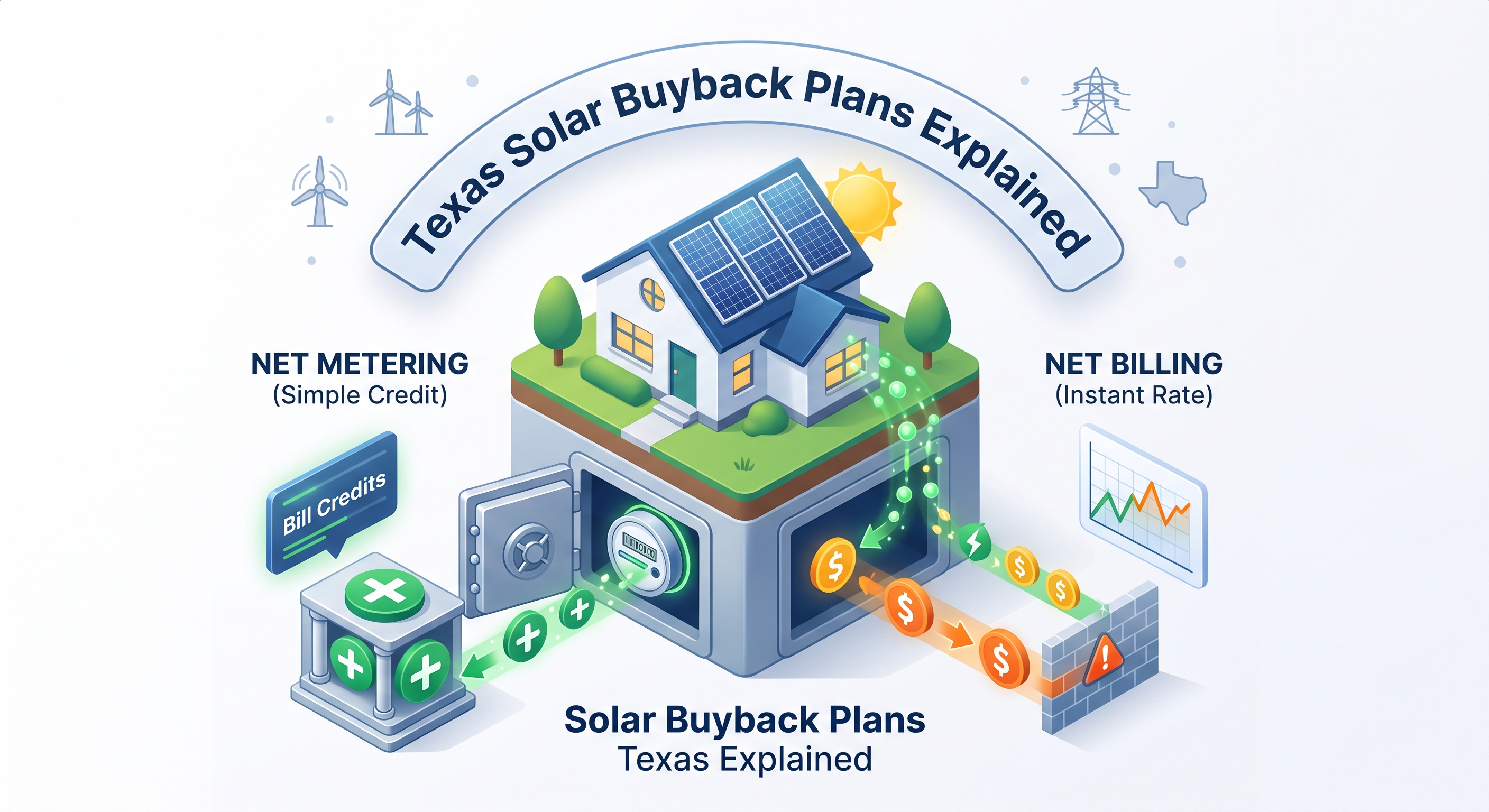
Not all solar buyback plans work the same way. Some offer a fixed export rate for every kilowatt-hour you send back to the grid, while others tie your credits to wholesale ERCOT prices that fluctuate by the hour. Understanding the difference is key to choosing a plan that matches your production patterns.
Read the full guideThe Solar Bill Swap
Switching to a solar buyback plan sometimes means your monthly bill stays about the same, or even goes up slightly. That sounds like a bad deal until you look at the math. When your export credits offset the higher energy rate, the net result can still save you hundreds over the year.
Is the bill swap worth it?
Why a Battery Is the Real Play
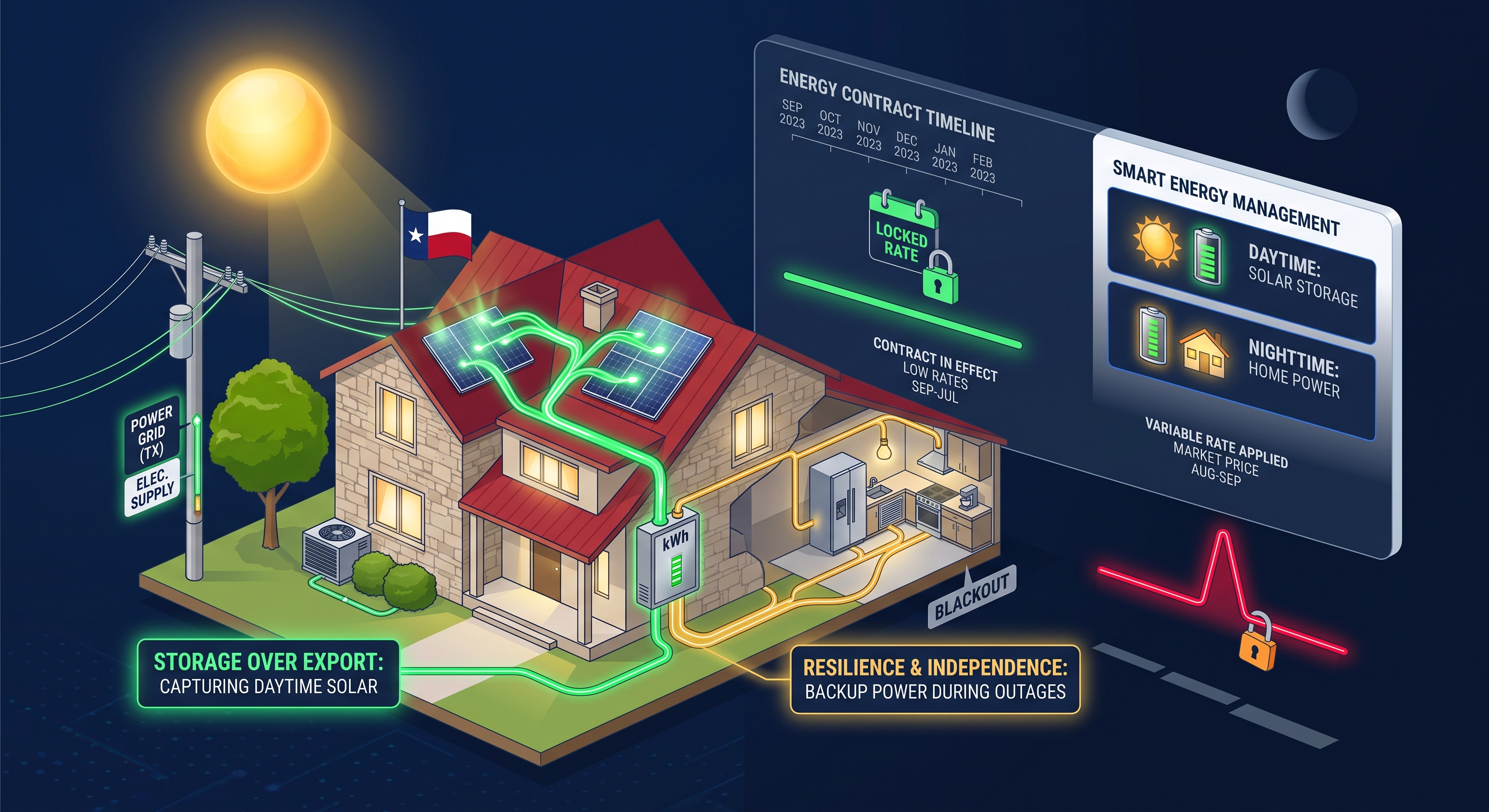
Solar panels generate power, but a battery lets you control when you use it. By storing daytime production for evening peak hours, a home battery system can dramatically shift your economics. Add VPP credits and backup power during outages, and the battery often delivers more value than adding extra panels.
Why battery changes everythingTiered Pricing for Non-Solar Customers
Thinking about going solar? Understanding how tiered pricing works for non-solar plans helps you see exactly what you are replacing. Many conventional plans use usage tiers that charge different rates at different consumption levels, making it harder to predict your actual cost.
How tiered pricing compares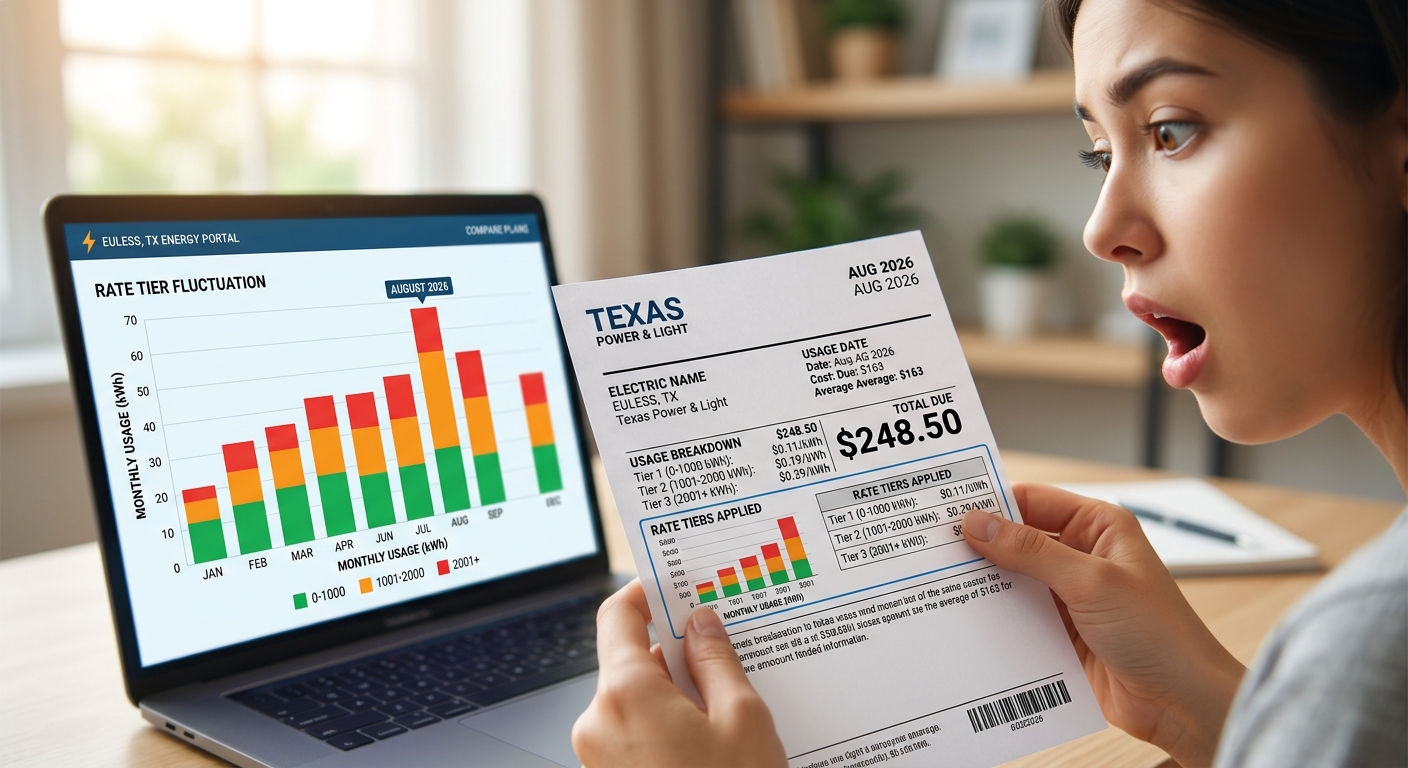
Battery and VPP Credits
If you have a home battery system, Virtual Power Plant (VPP) programs can add significant monthly savings on top of your solar export credits. Providers like Chariot Energy and others offer credits ranging from $25 to $50 per battery per month in exchange for occasional grid support during peak demand.
VPP credits are separate from your solar buyback rate. They appear as a fixed monthly discount on your bill regardless of how much energy you export. Plans that combine a competitive buy rate with VPP credits often deliver the lowest effective cost for solar-plus-battery homes. VPP credits require a compatible battery type. Any customer can enroll - the credit simply won't apply without qualifying equipment.
Compare all Texas VPP programs by battery brand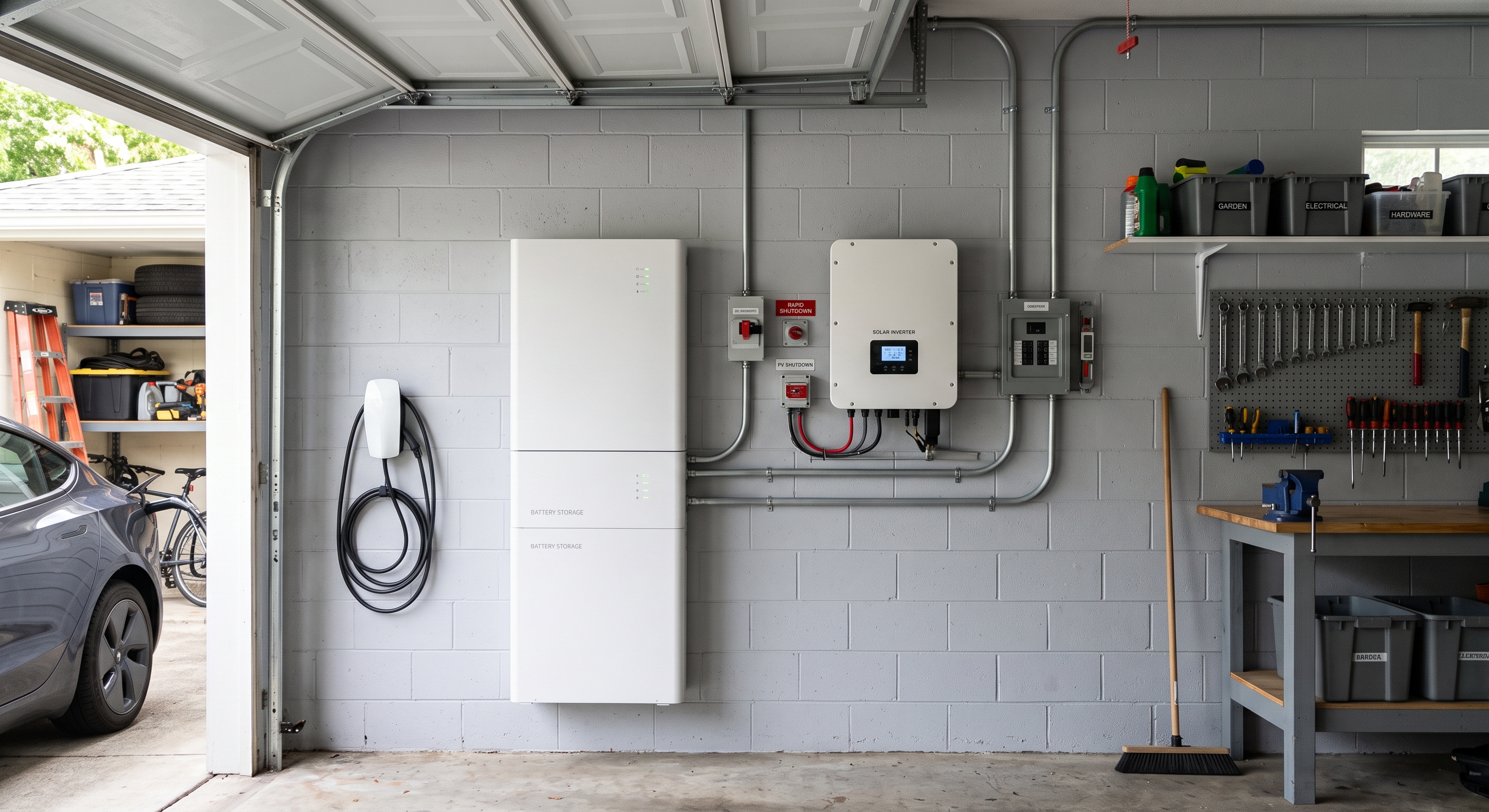

Get Your Free Solar Study
See exactly how your solar system is performing against every available buyback plan in your service area. Our Solar Study uses your actual Smart Meter export data to calculate real savings, not estimates based on system size or panel count.
Upload a photo of your electricity bill and your personalized Solar Study is ready within minutes.
Get Your Solar StudyLooking for an Installer?
Compare top-rated solar and battery installers across Texas, with Google reviews and BBB ratings.
Browse Texas Solar InstallersEXCLUSIVE plans are broker-negotiated rates not available on PowerToChoose.org.
PARTNER plans are available through our Compare Power partnership.
Solar buyback rates shown are energy charges only. TDU delivery charges still apply.
Wholesale sell rate plans credit exports based on ERCOT real-time settlement prices, which vary.
Plans marked "Undisclosed" confirm solar buyback eligibility in their EFL but do not publish a specific sell rate. Contact the provider directly for current buyback terms.
GridWise Audit earns revenue through optional subscription services and enrollment commissions when you choose to switch through our platform. Your analysis results are never influenced by provider compensation.