Are Free Nights Electricity Plans Worth It in Texas?
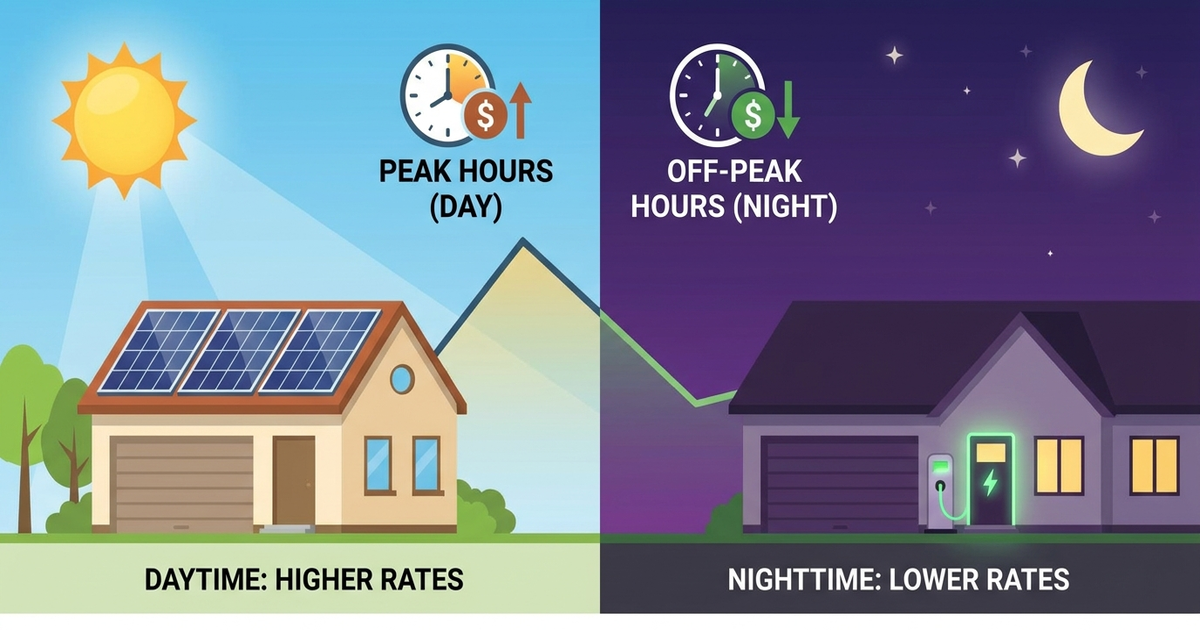
Free-nights plans charge no energy charge during a specified nighttime window but use a higher daytime rate, and TDU delivery charges still apply during the nighttime hours. They tend to work best when more than half of a household's usage occurs at night, while daytime-heavy homes should compare the plan against a flat-rate option using actual interval data.
"Free electricity at night" sounds like a no-brainer. Who wouldn't want that?
But if you've spent more than five minutes comparing Texas electricity plans on PowerToChoose.org, you know the devil is in the details. Free nights plans from providers like TXU Energy and Direct Energy are some of the most marketed plans in the state - and some of the most misunderstood.
Let's break down exactly how they work, who they're great for, and who ends up paying more on them.
How Free Nights Plans Actually Work
The basic idea is simple: your energy charge drops to zero during nighttime hours, typically 9 PM to 7 AM. In exchange, your daytime energy rate is significantly higher than what you'd pay on a standard flat-rate plan.
A typical structure looks like this:
| Flat-Rate Plan | Free Nights Plan | |
|---|---|---|
| Daytime rate | 11 cents/kWh | 18-22 cents/kWh |
| Nighttime rate | 11 cents/kWh | 0 cents/kWh |
| Base fee | $0-$5/mo | $0-$10/mo |
TDU Charges Still Apply at Night
Even during "free" hours, your Transmission and Distribution Utility (TDU) - Oncor, CenterPoint, AEP, or TNMP - still charges you for delivering that electricity to your home. Those delivery charges run roughly 4-5 cents/kWh depending on your TDU.
So "free" nights actually cost you 4-5 cents per kilowatt-hour. Not zero. That's an important distinction when you're doing the math.
The Math: When Free Nights Save You Money
Let's run two scenarios for a household using 1,500 kWh/month. We'll compare a 11 cents/kWh flat-rate plan against a free nights plan with a 20 cents/kWh daytime rate, both with the same TDU charges.
Scenario A: 40% of Usage at Night
| Flat-Rate | Free Nights | |
|---|---|---|
| Daytime energy (900 kWh) | $99 | $180 |
| Nighttime energy (600 kWh) | $66 | $0 |
| TDU charges (all hours) | ~$68 | ~$68 |
| Total | $233 | $248 |
Scenario B: 60% of Usage at Night
| Flat-Rate | Free Nights | |
|---|---|---|
| Daytime energy (600 kWh) | $66 | $120 |
| Nighttime energy (900 kWh) | $99 | $0 |
| TDU charges (all hours) | ~$68 | ~$68 |
| Total | $233 | $188 |
The breakeven point is typically around 50-55% of your usage happening at night. Below that, you're probably better off on a flat-rate plan.
Who Free Nights Plans Work For
These plans can genuinely save money for the right household:
Solar + Battery Owners - Check Eligibility First
If you have solar panels generating power during the day and a battery system, the combination of solar during peak hours and no-cost grid power at night sounds ideal. In practice, most Texas REPs will not enroll solar customers on time-of-use plans like free nights. If your home has solar panels, confirm with the provider that you are eligible before assuming a TOU plan is an option.
EV Owners Who Charge at Night
Charging an electric vehicle adds 300-900 kWh to your monthly usage depending on how much you drive. A smart plug can help schedule smaller overnight loads too. If you schedule charging after 9 PM, that's a huge chunk of "free" electricity - just remember you're still paying TDU delivery charges on every kWh.
Night Owls and Night Shift Workers
If your household naturally runs heavy appliances, laundry, and cooking during nighttime hours, a free nights plan aligns with your existing lifestyle.
Chariot Energy's Free Days Plans - The Reverse Option
Most TOU plans give you no-cost energy at night. Chariot Energy does the opposite with their Free Days plans, which carry no energy charge during daytime hours and a premium rate at night.
This flips the math entirely. Instead of shifting your usage to nighttime, you benefit from running heavy appliances, charging EVs, and blasting the AC during the day with no energy charge. The tradeoff is a higher per-kWh rate on everything you use at night.
Who Free Days plans work for:
- Families home during the day - the exact group that struggles on free nights plans
- Work-from-home households - daytime AC and computing usage costs nothing for energy
- Households with high summer AC usage - peak cooling hours fall in the free window
Free Days plans are available across all six Texas TDU service areas with terms ranging from 12 to 36 months. The $9.95/mo base charge is higher than many flat-rate plans, so factor that into your comparison.
Not sure whether a Free Days or Free Nights plan fits your usage pattern? WattTrim pulls your actual Smart Meter data and calculates your exact day vs. night usage split, then ranks every available plan - including time-of-use options - by what you would actually pay.
Who Should Stay Away
Families Home During the Day
Kids home in summer? Work from home? Your AC is running hard from noon to 6 PM - the most expensive hours on a free nights plan. You'll get hammered by that elevated daytime rate.
Homes With High Summer AC Usage
In Texas, July and August daytime temperatures push your AC into overdrive. If 60-70% of your summer usage happens between 7 AM and 9 PM (which is typical for most households), the math won't work in your favor.
Anyone Who Can't Shift Usage Patterns
The savings only materialize if you can actually move consumption to nighttime. If your lifestyle doesn't allow that, you're paying a premium daytime rate for nothing.
How Do You Know Your Day vs. Night Split?
This is where most people get stuck. You could download your 15-minute interval data from Smart Meter Texas and crunch the numbers in a spreadsheet. But that's a lot of work.
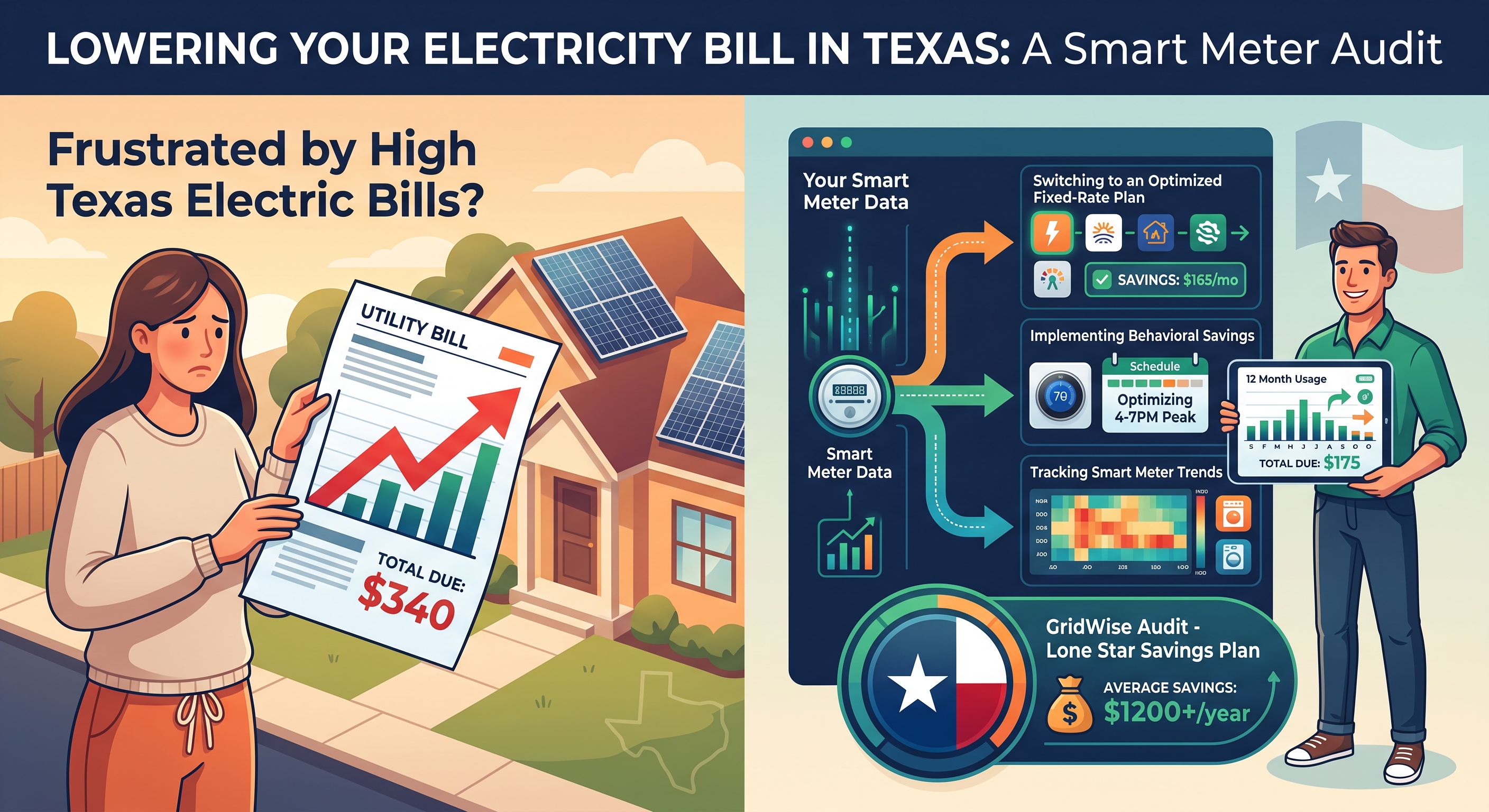
WattTrim pulls your actual Smart Meter interval data automatically and calculates precisely how much of your usage falls in daytime vs. nighttime hours - for every month of the year. It then runs both flat-rate and time-of-use plans through your real usage pattern, ranking them all together by what you'd actually pay.
That means you don't have to guess whether a free nights plan would save you money. You can see the exact dollar amount, side by side with the best flat-rate options.
The Bottom Line
Free nights plans aren't a scam - but they're not a slam dunk either. The only way to know if one saves you money is to look at your actual usage data, not a provider's marketing page.
If more than half your electricity consumption happens between 9 PM and 7 AM, a free nights plan could save you hundreds per year. If you're a typical daytime household, you'll almost certainly pay more.
Put This Knowledge to Work
Compare your current plan against 1,500+ options across all 6 Texas TDU service areas, including exclusive broker-negotiated rates not found on PowerToChoose.org. Always free.
Trim My BillGridWise Audit shows the plans. WattTrim audits your bill to find your savings.

Prefer to keep control of your Powerwall?
Not every Powerwall owner wants to join a virtual power plant (VPP) plan. If you'd rather choose your own electricity plan and decide when your battery charges and discharges, Grid Getter is an app that connects to your Tesla account and runs your Powerwall on your own schedule, such as saving solar for evening use or running on battery during your plan's highest-priced hours. Free tier available; advanced automation is on paid plans.
Already enrolled in a VPP? Check with your provider first. Outside control can conflict with VPP terms or credits.
Learn more at GridGetter.comKeep Reading
Frequently Asked Questions
Are free nights electricity plans really free?
The energy charge may be zero during the stated nighttime window, but TDU delivery charges still apply to every kWh. That means nighttime power still has a cost, commonly several cents per kWh depending on the service area.
How much nighttime usage do I need for a free nights plan to save money?
The typical breakeven point is roughly 50 to 55 percent of usage at night. Below that level, the higher daytime energy charge can cost more than a flat-rate plan.
Are free nights plans good for electric vehicle owners?
They can work well when an EV is consistently charged during the free-energy window. The household should still account for delivery charges and compare the full plan cost using its actual day and night usage.