Best Electricity Plans for Apartments in Texas: How to Compare at Low Usage

If you rent an apartment in a part of Texas open to electricity choice, you usually pick your own provider when you sign the lease. The plan that looks cheapest on a comparison list is not always the cheapest for a smaller home.
The reason is simple. Most plan lists sort by the price at 1,000 kWh a month. Many apartments use less than that. At lower usage, fixed monthly charges and bill credit rules can change which plan costs the least.
This guide explains what to check, using real plan data from our database.
Why the 1,000 kWh Price Can Mislead Apartment Renters
Every plan in Texas has an Electricity Facts Label (EFL). The label lists an average price per kWh at three usage levels: 500, 1,000 and 2,000 kWh. Those averages include the provider's charges and the utility's delivery charges.
For many plans, the three prices are close. For some, they are very different. On October 17, 2026, one 12-month plan in the Oncor area listed 6.9 cents per kWh at 1,000 kWh and 19.8 cents at 500 kWh. At 500 kWh, that works out to about $99 a month. The lowest-cost 12-month plan in the same area at 500 kWh worked out to about $60 a month.
The difference came from a bill credit that applies only when usage reaches 1,000 kWh.
Three Things to Check on Every Plan
1. Bill credit minimums
Some plans include a bill credit, such as $100 or $125, that applies only when your usage reaches a set level in a billing cycle. The level is often 1,000 kWh or more.
If your usage stays below that level, the credit does not apply, and the price you pay is closer to the 500 kWh price on the label. The EFL states the credit amount and the usage it requires.
2. Fixed monthly charges
Some plans have a monthly base charge from the provider. Every plan also includes the utility's fixed monthly delivery charge. These charges stay the same no matter how much electricity you use.
A $9.95 monthly charge adds about 2.0 cents per kWh at 500 kWh, and about 1.0 cent at 1,000 kWh. That is why a plan with a monthly charge can rank lower at apartment usage.
3. Minimum usage fees
A few plans charge a fee when usage falls below a set level, such as 400 kWh. The EFL lists the fee and the level. In a mild month, an apartment can fall below it.

What About Time-of-Use Plans?
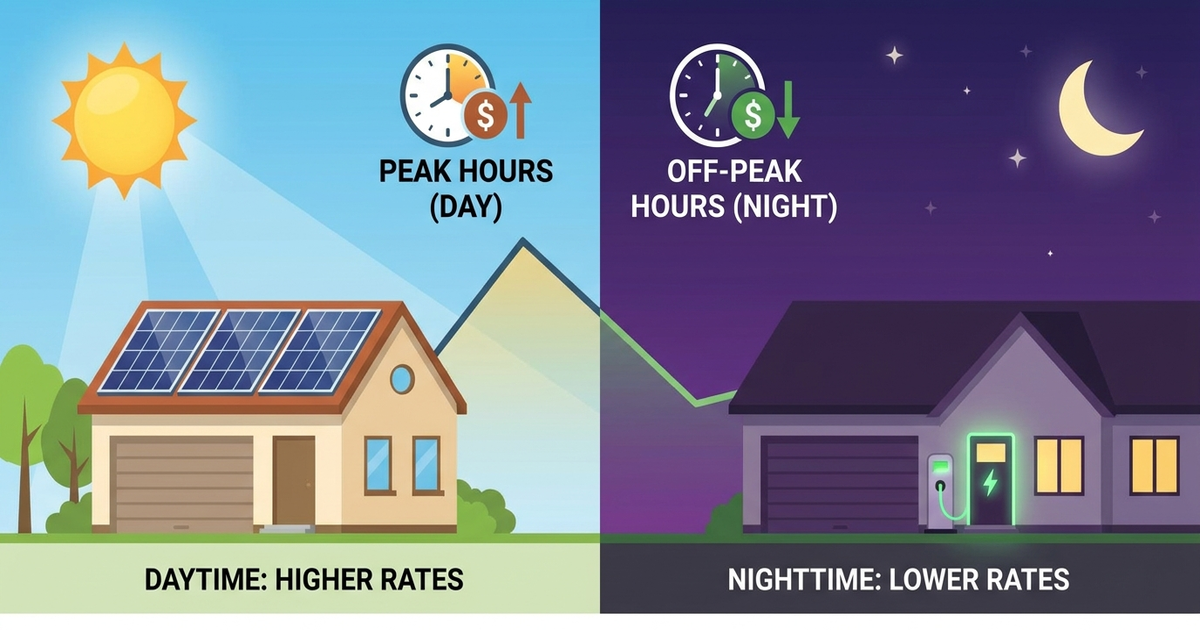
Some plans have hours with no energy charge, such as nights or weekends. The rate during the other hours is usually higher. Delivery charges still apply to every kWh, including during those hours.
Whether one of these plans fits depends on when you use electricity. If you have your usage history, your Smart Meter Texas data shows your usage hour by hour, which is the best way to tell.
Delivery Charges by Area
Delivery charges are set by your local utility, not your provider. They are the same on every plan in your area. Current residential delivery charges:
| Utility | Per kWh | Per Month |
|---|---|---|
| Oncor (Dallas / Fort Worth) | 6.87 cents | $4.06 |
| CenterPoint (Houston) | 6.53 cents | $4.90 |
| AEP Texas Central | 5.69 cents | $3.24 |
| AEP Texas North | 5.58 cents | $3.24 |
| TNMP | 7.77 cents | $7.56 |
| Lubbock Power & Light | 6.31 cents | $0.00 |
A Checklist for Apartment Renters
- Compare the 500 kWh price, not only the 1,000 kWh price, unless you know your usage is higher.
- Read the bill credit terms. Note the credit amount and the usage it requires.
- Check for a monthly base charge and any minimum usage fee.
- Pick a contract length that fits your lease. A 10 to 14 month plan lines up with many one-year leases.
- Check the cancellation fee, in case you need to leave early for a reason other than moving.
Moving Out Before Your Contract Ends
Texas rules (PUCT Substantive Rule 25.475) say a provider may not charge an early termination fee because you move, as long as you give the provider a forwarding address and, if asked, reasonable proof of the move. A cancellation fee can still apply if you switch plans early for another reason.
Does Your Apartment Complex Choose Your Provider?
If your unit has its own electric meter in an area open to competition, you can choose any provider that serves your address. A leasing office may recommend a provider. You can compare that provider's plans against the others available to you.
If electricity is included in your rent, or the property bills you through a single master meter, you may not be able to choose a provider.
Plan Your Start Date
When you move, set your service start date with your new provider before your move-in day. Your provider can tell you how much notice it needs.
How Much Electricity Will Your Apartment Use?
It depends on the size of the unit, the season and your appliances. If you already live there, your bill shows your monthly kWh. If you are moving in, the GridWise Audit Quick Estimate can help you size up your expected usage.
Compare Plans at Apartment Usage
Our Apartment Plans page ranks plans in all 6 Texas delivery areas by estimated monthly cost at 500 and 750 kWh. Delivery charges are included, and plans with a bill credit minimum or minimum usage fee are flagged.
If you already have service, upload a photo of your electric bill and WattTrim will compare your actual usage against about 1,500 plans in our database, including delivery charges, bill credit minimums and fees.
Put This Knowledge to Work
Compare your current plan against 1,500+ options across all 6 Texas TDU service areas, including exclusive broker-negotiated rates not found on PowerToChoose.org. Always free.
Trim My Bill
Keep Reading

Frequently Asked Questions
What is a good electricity plan for an apartment in Texas?
A plan with a low price at your actual usage level. For many apartments that means checking the 500 kWh price on the Electricity Facts Label, not only the 1,000 kWh price, and making sure any bill credit applies at your usage.
Why is my price per kWh higher than the advertised rate?
Advertised prices are often the 1,000 kWh average. At lower usage, fixed monthly charges add more per kWh, and a bill credit that requires 1,000 kWh may not apply.
Can I avoid a cancellation fee when I move?
Under PUCT Substantive Rule 25.475, a provider may not charge an early termination fee because you move if you give a forwarding address and, if asked, reasonable proof of the move.
Do delivery charges depend on my provider?
No. Delivery charges are set by your local utility and are the same on every plan in your area.
Should I choose a 12-month plan for a 12-month lease?
A plan of about the same length as your lease keeps your rate set while you live there. Shorter plans can cost less today but renew sooner, often at a different rate.