How Much Does It Cost to Install an EV Charger at Home in Texas?
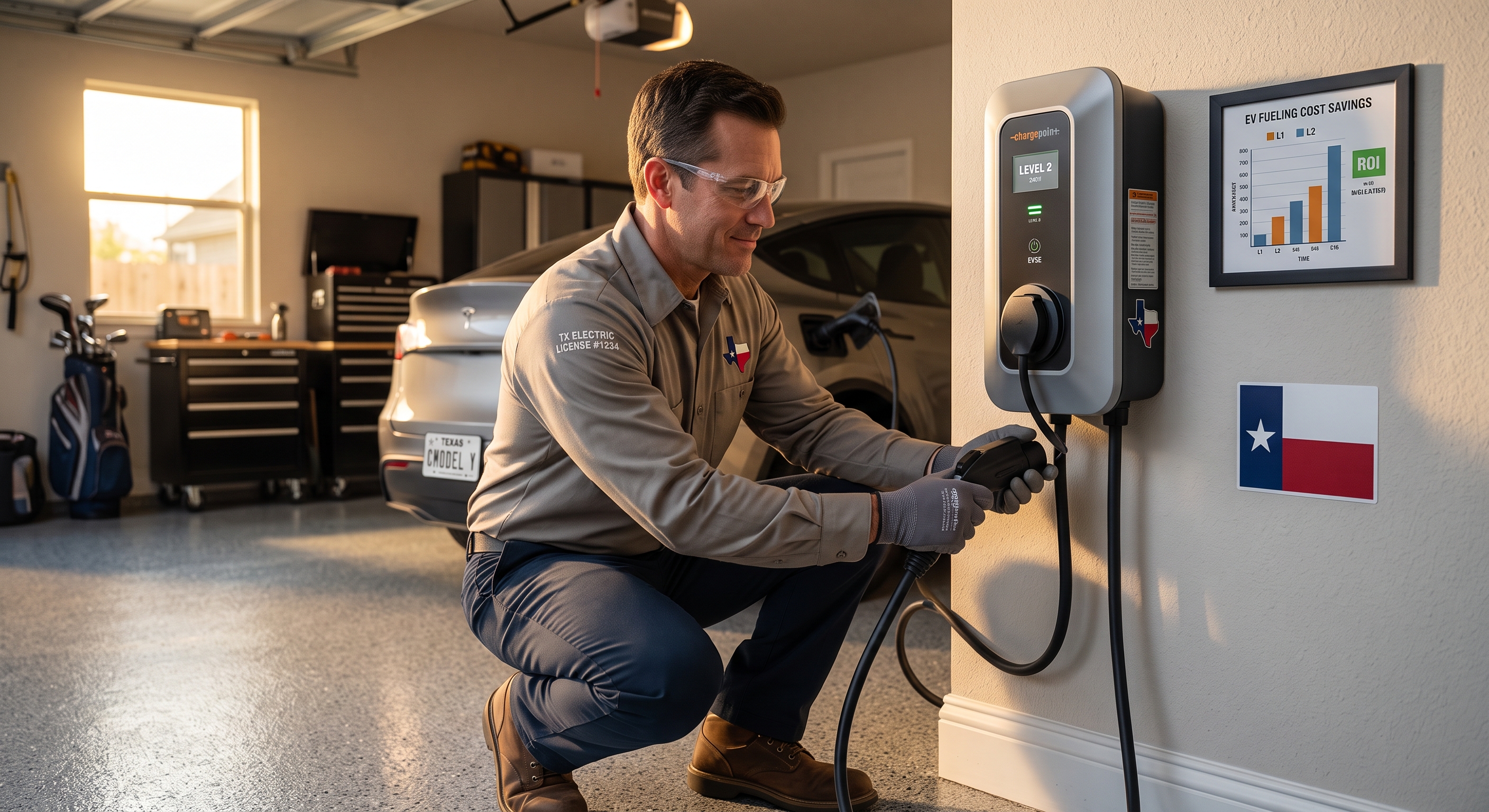
Installing a typical Level 2 EV charger at a Texas home costs about $800 to $2,500, although an electrical-panel upgrade can push the project above $4,000. Charging at home can reduce fuel costs, but adding 300 to 500 kWh of monthly usage may change which electricity plan is cheapest, especially if nighttime charging fits a plan with no energy charge while TDU delivery charges still apply.
The Short Answer: $800 to $2,500 for Most Texas Homes
If you just bought an EV - or you're thinking about it - one of the first questions is: how much will it cost to charge at home? The good news is that a Level 2 home charger installation in Texas typically runs $800 to $2,500, depending on your home's electrical setup.
That said, costs can swing quite a bit. An older home that needs a panel upgrade could push the total past $4,000, while a newer home with a 200A panel and a garage close to the breaker box might come in under $1,000.
Let's break it all down.
The Three Levels of EV Charging
Before you call an electrician, it's worth understanding what you're actually choosing between.
Level 1: The Regular Wall Outlet
Every EV comes with a charger that plugs into a standard 120V outlet - the same one you'd use for a lamp. It's slow (3-5 miles of range per hour), but it's essentially free if you already have an outlet in your garage.
The reality check: Level 1 adds about 40-50 miles of range overnight. That's plenty for plug-in hybrids or anyone driving under 40 miles a day. If that sounds like you, don't spend money on an upgrade you might not need.
Level 2: The Sweet Spot
This is what most EV owners install. A Level 2 charger uses a 240V connection (the same voltage as your clothes dryer) and delivers 25-30 miles of range per hour. That means a full charge overnight, every night, no matter how far you drove.
DC Fast Charging
These are the high-powered stations you see at Buc-ee's and shopping centers. They're commercial-grade and not something you'd install at home - so we'll skip this one.
Cost Breakdown: What You're Actually Paying For
Here's where the money goes for a typical Level 2 installation:
| Component | Cost Range | Notes |
|---|---|---|
| Charger unit | $300 - $700 | Plug-in (NEMA 14-50) models |
| Electrician labor | $500 - $1,500 | Depends on complexity and wire run |
| Panel upgrade | $1,500 - $4,000 | Only if your panel can't handle the load |
| Permit | $50 - $200 | Varies by Texas municipality |
| Typical total | $800 - $2,500 | Without panel upgrade |
The Biggest Cost Variable: Your Electrical Panel
This is the thing that catches people off guard. If your home has a 100-amp panel - common in homes built before the late 1990s - it may not have enough capacity to add a 40- or 50-amp EV charger circuit on top of your AC, water heater, and everything else.
A panel upgrade to 200 amps adds $1,500 to $4,000 to the project. Ask your electrician to evaluate your panel capacity before you buy anything. Many newer Texas homes already have 200A service and plenty of room for a dedicated EV circuit.
Plug-In vs. Hardwired: Which Should You Choose?
Plug-in (NEMA 14-50) means your electrician installs a 240V outlet in your garage - the same kind used for electric dryers - and the charger simply plugs into it. Costs less, and you can unplug the charger and take it with you if you move. You can also swap chargers easily down the road.
Hardwired means the charger is permanently wired into your breaker box. Slightly cleaner install, but more expensive and less flexible.
Splitter is the third option many homeowners overlook. If you already have a 240V dryer outlet, a splitter device lets you share it between your dryer and EV charger without running new wiring or upgrading your panel. The splitter automatically switches power between the two appliances so they never draw at the same time. This can save hundreds on installation costs.
For most Texas homeowners, plug-in is the better call. It's cheaper, portable, and easier to replace. The performance difference is negligible. If running new wiring is not practical, a splitter is worth considering before committing to a panel upgrade.
Popular Charger Models Worth Considering
You don't need to spend a fortune on the charger itself. Below are solid options in 2026, split by whether you can install them yourself or should call an electrician.
Plug-In Chargers (No Professional Installer Needed)
These chargers plug into a standard NEMA 14-50 240V outlet, the same type used by electric dryers. If you already have one in your garage or an electrician installs the outlet, setup is as simple as plugging in and mounting the unit.
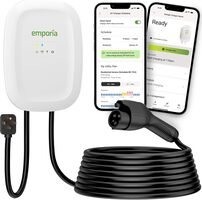
EMPORIA Level 2
48 Amp, WiFi, 25ft cable. Best overall value with energy monitoring.
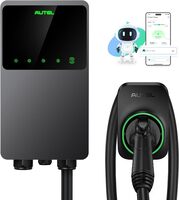
Autel Level 2
Up to 50 Amp, indoor/outdoor, WiFi and Bluetooth, 25ft cable.
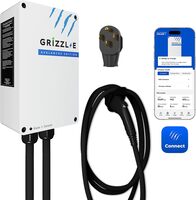
Grizzl-E Classic Connect
40 Amp, UL certified, rugged weather-resistant design.
Hardwired Chargers (May Need a Professional Installer)
These chargers are typically hardwired directly to your breaker panel, which means hiring a licensed electrician. The upside is higher amperage options and a cleaner wall-mounted look.
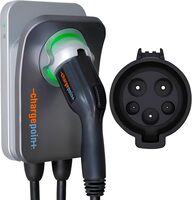
ChargePoint HomeFlex
Premium app-enabled, flexible amperage. Also available as plug-in.
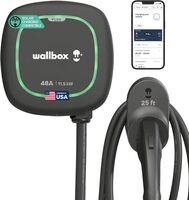
Wallbox Pulsar Plus
48 Amp, NACS compatible, solar energy compatible, 25ft cable.
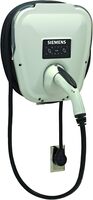
Siemens VersiCharge
30 Amp, WiFi smart grid features from a trusted brand.
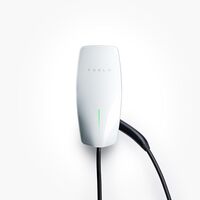
Tesla Wall Connector
48 Amp, 24ft cable. Works with all EVs via adapter.
Any of these chargers will fully charge most EVs overnight.
240V Outlet Splitters (Share Your Dryer Outlet)
If your garage already has a 240V dryer outlet but you don't want to run new wiring, a splitter lets you share that single outlet between your dryer and EV charger. These devices automatically switch power to whichever appliance needs it, so they never run at the same time.
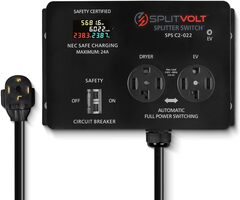
Splitvolt Splitter Switch
24 Amp, cETLus certified, LED display, automatic switching.
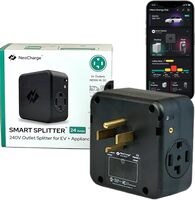
NeoCharge Smart Splitter
24 Amp, UL certified, auto-switching. Avoid panel upgrades entirely.
As an Amazon Associate, GridWise earns from qualifying purchases.
What It Actually Costs to Charge at Home
This is where the math gets fun - and where Texas homeowners have a real advantage.
At a typical Texas electricity rate of around 12 cents per kWh, charging at home costs roughly $40 to $60 per month for an average driver (about 1,000 miles per month). That works out to about 4 to 6 cents per mile.
Compare that to gasoline at roughly 11 to 14 cents per mile, and you're looking at $700 to $1,500 in annual fuel savings.
| Home EV Charging | Gasoline | |
|---|---|---|
| Monthly cost | ~$40-$60 | ~$130 |
| Cost per mile | $0.04-$0.06 | $0.11-$0.14 |
| Annual cost (12,000 mi) | ~$500-$720 | ~$1,300-$1,700 |
The Texas Advantage: Cheap Rates and Free Nights
Living in a deregulated electricity market means you can shop for the best plan - and Texas rates are already below the national average (~12 cents/kWh vs. ~18 cents nationally).
But the real opportunity for EV owners is Free Nights plans. These plans offer free energy during off-peak hours (typically 9 PM to 6 or 7 AM), which is exactly when most people plug in their EV.
TDU delivery charges still apply during "free" hours - about 5-6 cents per kWh - but that's still dramatically cheaper than daytime rates. Charging your EV at night on a Free Nights plan could bring your per-mile cost down to roughly 2-3 cents.
That's cheaper than almost anything else with wheels.
One Thing Most People Overlook
Adding an EV to your household increases your monthly electricity consumption by 300 to 500 kWh. An energy monitor can help you see the added load. That's a significant jump - roughly 25-40% more usage for the average Texas home.
Here's why that matters: your current electricity plan may no longer be the best one for you. Many Texas plans use tiered pricing with bill credits at specific usage thresholds. A plan that's excellent at 1,000 kWh per month might be surprisingly expensive at 1,500 kWh.
And if a Free Nights plan makes sense now that you're charging overnight, you'd never know unless you actually run the numbers with your real usage data.
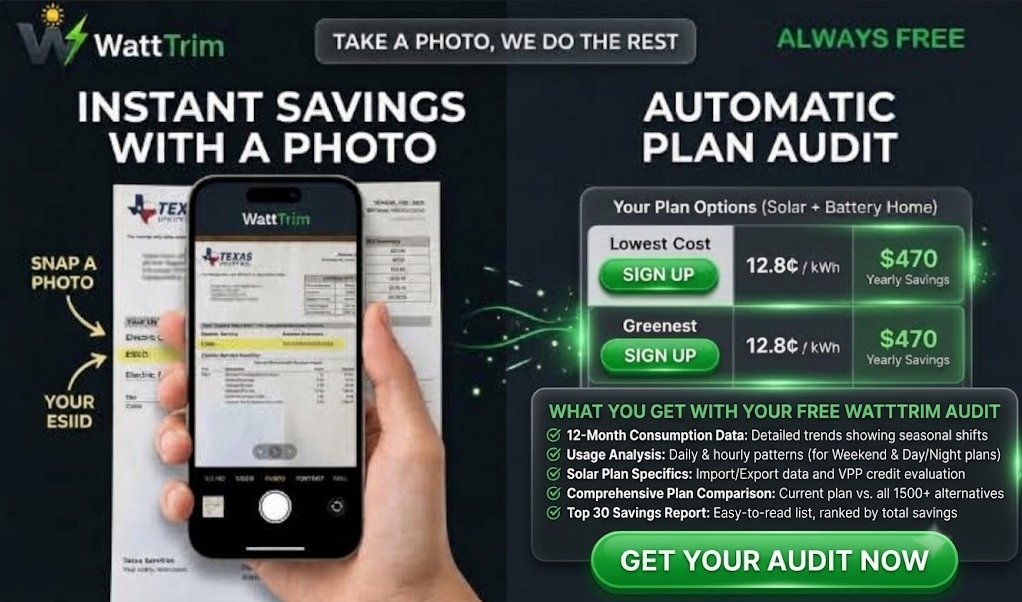
A smart power strip can also help manage standby loads. This is where tools like WattTrim come in handy. WattTrim's audit analyzes Time-of-Use plans - including Free Nights and Free Weekends - against your actual Smart Meter data to show whether shifting to a TOU plan would save you money. For EV owners who charge overnight, the difference can be substantial.
Bottom Line
For most Texas homeowners, a Level 2 EV charger installation costs $800 to $2,500. Between fuel savings and cheap Texas electricity rates, the install often pays for itself within a year.
The biggest variables are your electrical panel capacity and how far the wire needs to run. Get a quote from a licensed electrician and don't overlook the impact on your electricity plan.
Put This Knowledge to Work
Compare your current plan against 1,500+ options across all 6 Texas TDU service areas, including exclusive broker-negotiated rates not found on PowerToChoose.org. Always free.
Trim My BillGridWise Audit shows the plans. WattTrim audits your bill to find your savings.